Most brands only respond to cart abandonment after it's happened. That's like fitting a smoke alarm and calling it fire prevention.
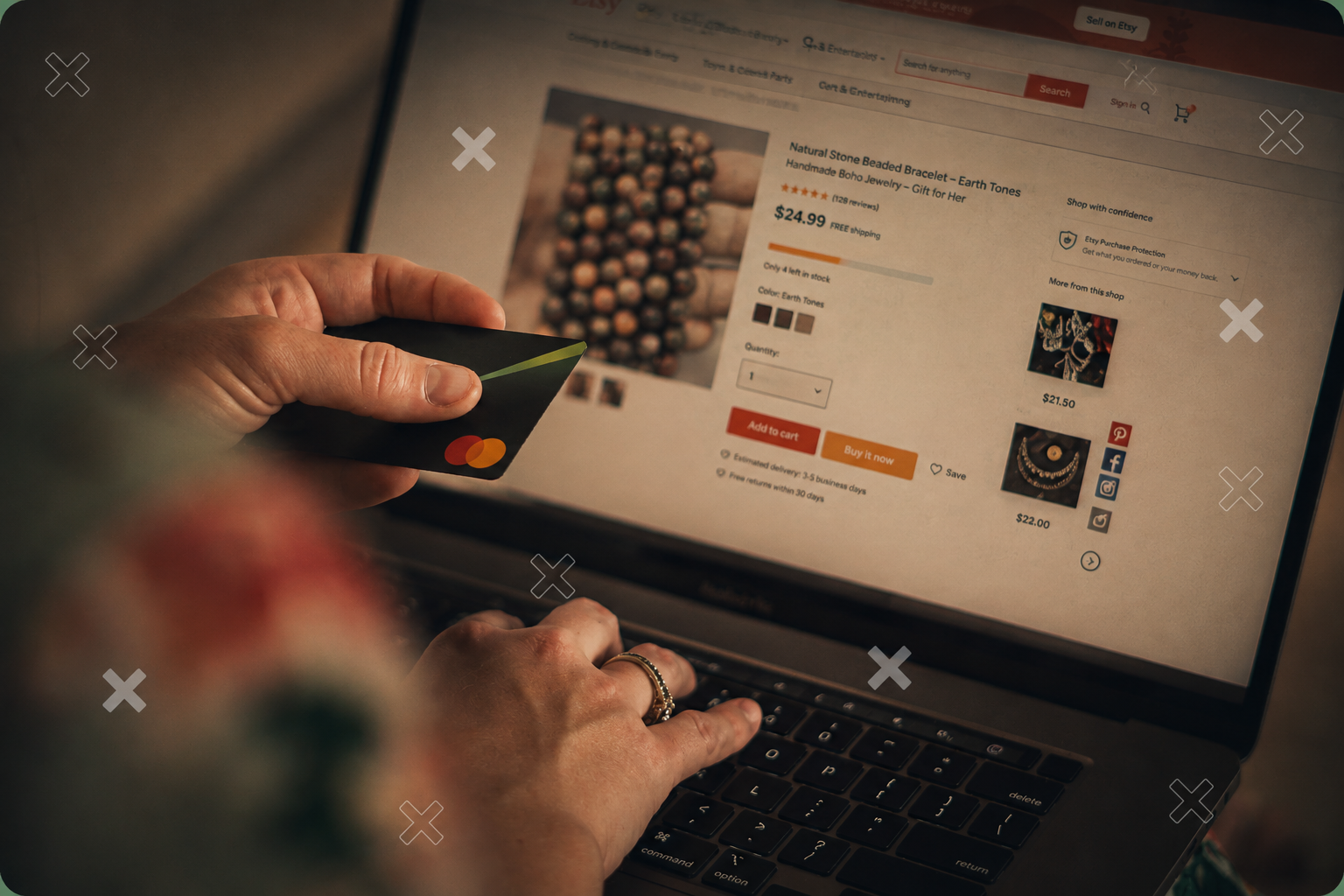
Seven out of ten online shopping carts are abandoned before checkout. That number hasn't meaningfully shifted in a decade.
Not because the industry hasn't tried. Cart abandonment emails are everywhere. Retargeting ads chase shoppers across the internet for days. Brands have invested millions in user recovery, the machinery that kicks in after someone walks away.
And it works. Abandoned cart emails recover between 3% and 5% of lost baskets on a good day. But the thing about existing cart abandonment strategies is that they treat the problem after it has already happened.
What if there was a way to intervene before someone dumps their cart of goods? How would you get this visibility? In this blog post, we explore cart abandonment, discuss existing strategies and how new technology can provide timely interventions to stop basket abandonment in the moment.
What is cart abandonment? And why does it still matter?
Cart abandonment happens when a shopper adds items to their basket but leaves the site before completing a purchase. The global cart abandonment rate sits at roughly 70%, according to Baymard Institute's aggregated research across 49 studies — and it's been stubbornly consistent for years. For UK ecommerce brands doing millions in online revenue, that 70% represents an enormous amount of commercial value slipping away every single day.
The industry has treated this as a recovery problem. It's actually a visibility problem. Brands can't see why or, specifically, when shoppers hesitate, so they can't respond until it's too late.
The abandoned cart email: Essential, but not enough on its own
A well-built abandonment flow is one of the highest-ROI programmes in ecommerce, and the brands doing it well deserve credit for that.
But the returns are diminishing, and the reason is structural, not tactical.
A decade ago, a well-timed abandoned cart email felt personal. Now it's expected. Shoppers know the email is coming. Some even use it as a strategy: abandon the basket, wait for the discount code, complete the purchase at a lower price. If you always send these emails to every cart abandonment, you've trained consumers to do this.
The average abandoned cart email open rate is around 40%. That sounds impressive until you realise that fewer than half of those opens result in a click, and fewer than half of those clicks result in a purchase. You're recovering a fraction of a fraction.
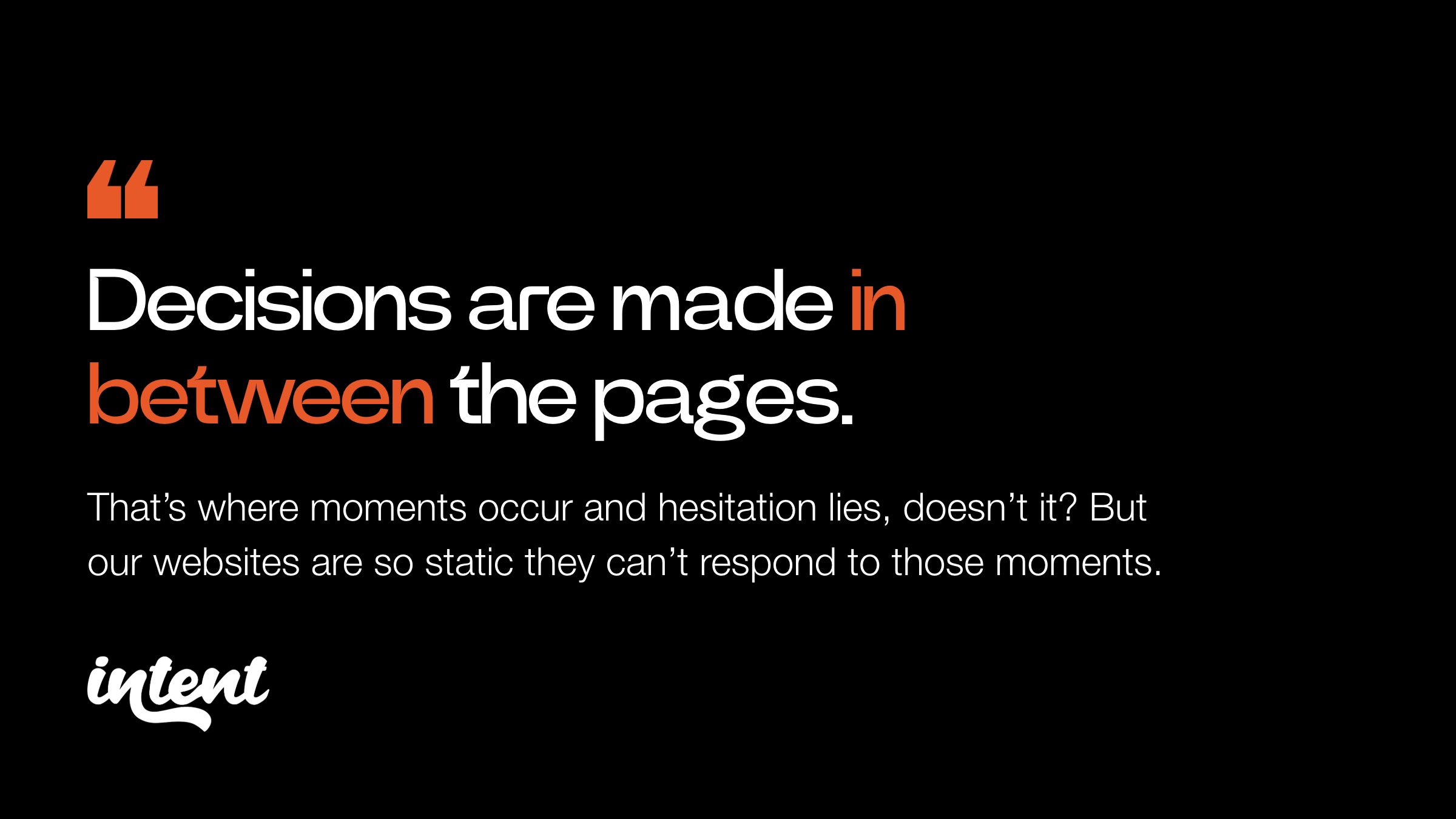
The email programme isn't the problem. The problem is that it's the only thing working on abandonment. Everything that happens before the email. The entire session where the shopper was actually on your site is a gap.
Why shoppers abandon baskets (and why most brands get the diagnosis wrong)
Ask any ecommerce team why shoppers abandon baskets and you'll hear the same list: unexpected shipping costs, complicated checkout, required account creation, security concerns. Baymard Institute's checkout usability research has documented these friction points extensively, and they're real.
But they're also the easy answers. The ones that show up in surveys and exit polls because they're concrete and simple to articulate.
The harder truth is that most basket abandonment isn't caused by a single friction point. It's caused by unresolved hesitation.
A shopper adds something to their basket. They're interested, clearly — but they're not convinced.
Maybe they're comparing prices elsewhere. Maybe they're not sure about sizing. Maybe they need to check with a partner. Maybe they're thinking about considered purchase and this is visit two of five. Maybe they’re just building a wishlist, and were never going to buy anyway?
None of these shoppers have a checkout problem. They have a confidence problem. And no amount of checkout optimisation or recovery email will fix that — because by the time the checkout loads or the email arrives, the moment has passed.
The real gap: what happens during the session
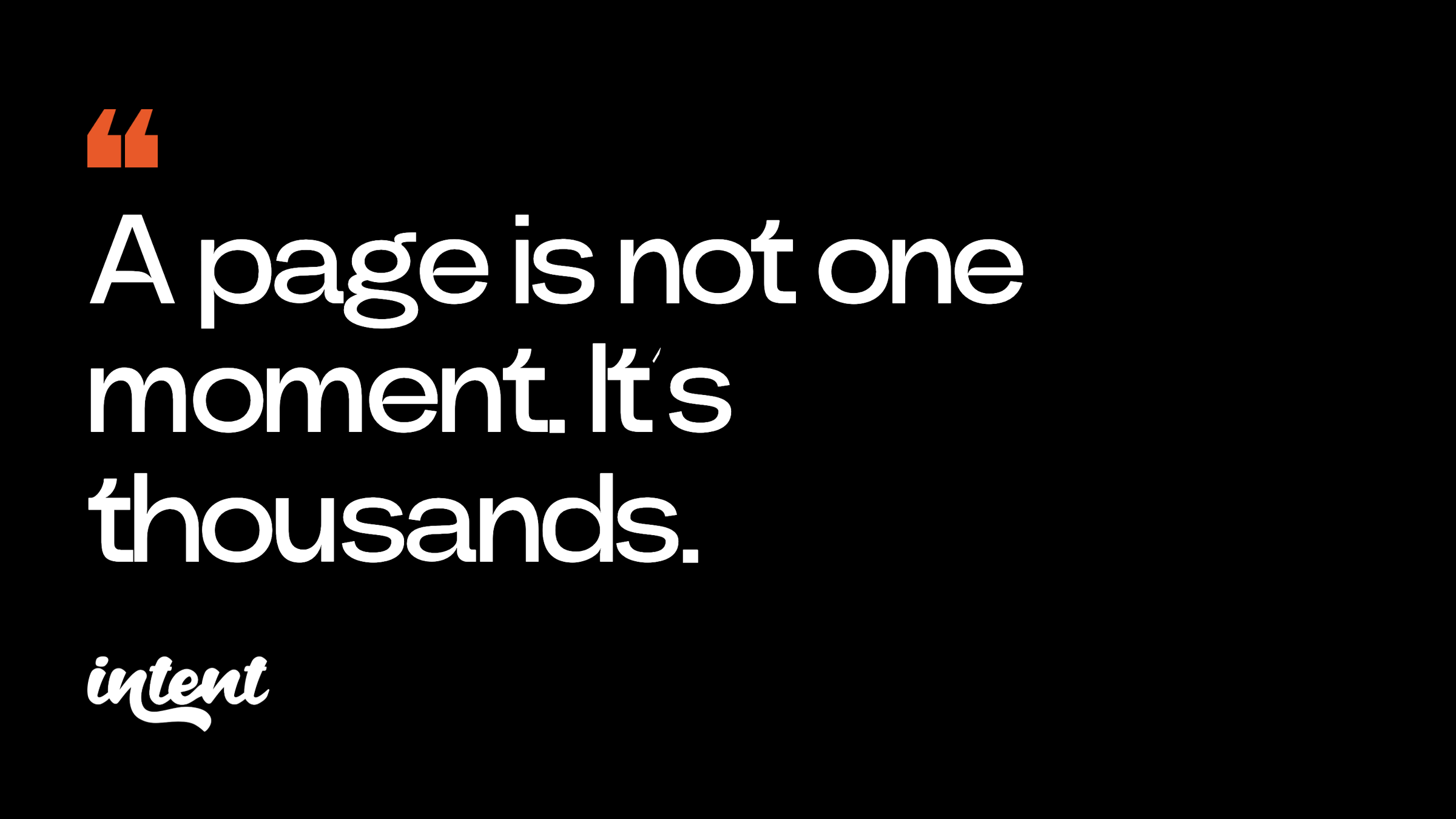
Let’s try a thought experiment. Let’s categorise ecommerce into black and white terms. On one end: acquisition, getting shoppers to the site. On the other: recovery, trying to win them back after they've left. The bit in the middle, the actual shopping session, is where you have the least visibility and the fewest tools at your disposal,.
Think about what a good shop assistant does in a physical store. They don't wait until you've put something down and walked out, then chase you into the car park with a voucher. They read the room. They notice when you're browsing versus when you're comparing. They step in when you look uncertain and step back when you're clearly decided.
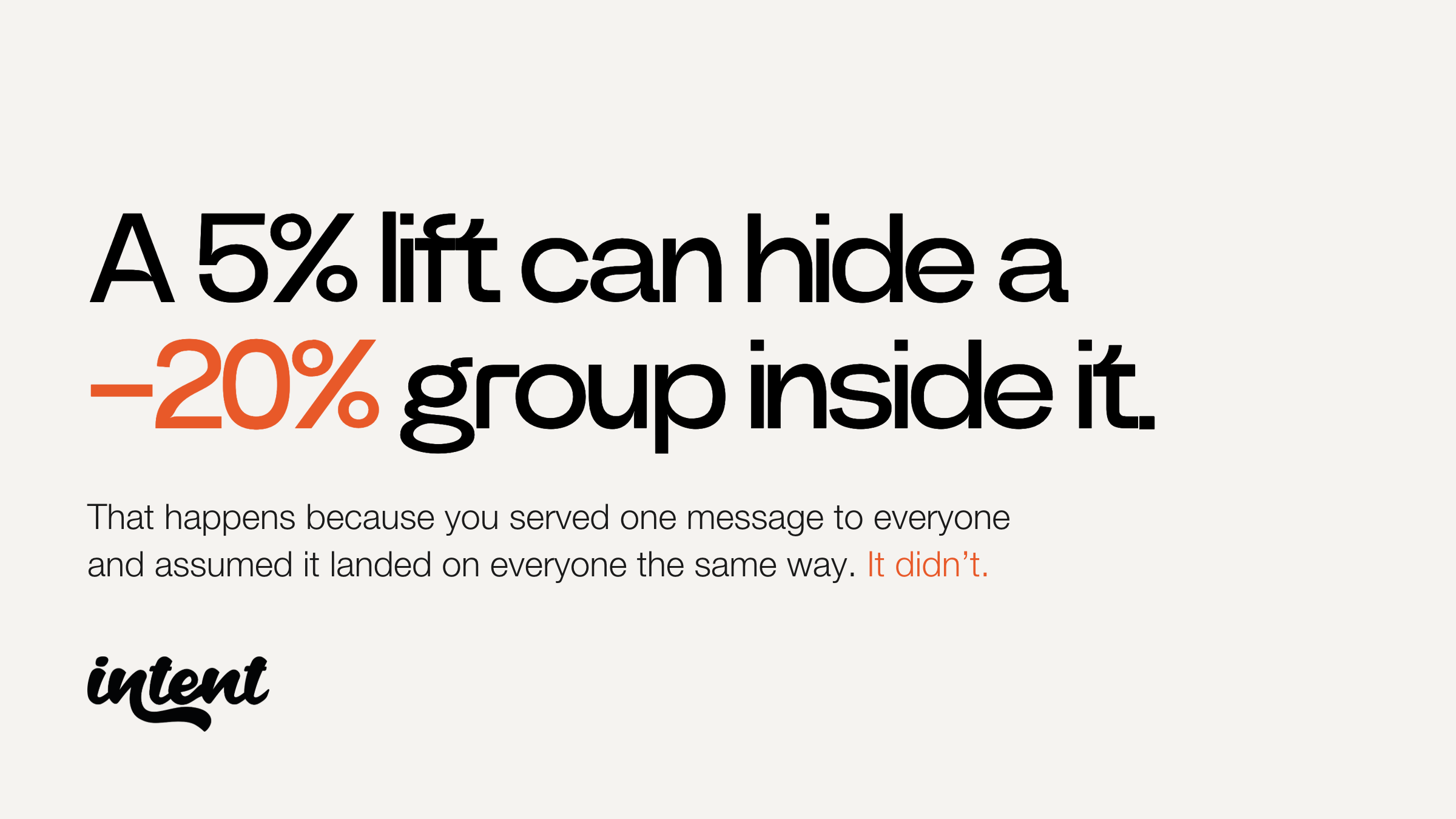
Online, we do the opposite. We show everyone the same experience — same pop-ups, same messaging, same urgency banners — regardless of whether they arrived 10 seconds ago or have been comparing products across three sessions over two weeks. Then, when they leave, we send the email.
The gap isn't in recovery. It's in the session itself. The question isn't "how do we get them back?" it's "why didn't we respond to what they were telling us while they were still here?"
What in-session card abandonment intervention actually looks like
In-session intervention means responding to shopper behaviour during the visit, not after it. But (and this is the critical part) it doesn't mean bombarding people with more pop-ups and discount codes.
The problem with most "onsite intervention" is that it's based on static rules, and doesn’t interject at the moment. It’s usually after the moment has passed. Show a pop-up after 30 seconds. Trigger an exit-intent overlay when the cursor moves toward the tab. Offer 10% off to everyone who has items in their basket.
These rules treat every shopper the same. A first-time visitor browsing casually gets the same intervention as a returning visitor who's viewed the same product four times and is clearly ready to buy. That's not intervention. That's bad manners.
Real in-session intervention requires knowing where a shopper is in their buying journey — right now, in this session, and responding appropriately.
For a visitor who's browsing early in their journey: don't push. Show them content. Help them discover products. Surface reviews, comparisons, and reasons to believe. The worst thing you can do is ask for a commitment before they’re ready.
For a visitor who's been comparing across multiple sessions and has returned to a specific product: they don't need a discount. They need reassurance. Delivery information. Stock availability. Social proof that others bought and loved this item. Remove the doubt, and they'll convert without a price incentive.
For a visitor showing every signal of purchase intent but hesitating at the basket: now a small nudge might help. Free delivery. A modest discount. A reminder that the item is selling fast. But even here, the intervention should match the hesitation, not just throw money at it.
This requires intent data, the ability to model behavioural signals within a session and predict where a shopper is in their buying journey before they abandon.
Full disclosure: this is what we do at Made With Intent. But the principle holds regardless of how you implement it. If you can see where a visitor is in their buying journey, you can respond before they leave. Whether you build that capability internally, stitch it together from your existing stack, or use a dedicated tool, the strategic point is the same.
The economics of basket abandonment prevention versus recovery
Let's put some numbers on this.
A mid-market ecommerce brand with 500,000 monthly sessions, a 3% conversion rate, and a £75 average order value generates roughly £1.1M per month. At a 70% cart abandonment rate, shoppers are adding items to baskets in around 50,000 sessions but only completing 15,000 of those purchases. Roughly 35,000 baskets are abandoned every month.
A strong abandoned cart email programme recovers 3–5% of those, say 1,400 orders, worth around £105,000 per month. That's meaningful revenue, and it should absolutely keep running.
Now consider what happens if you can prevent even a small percentage of those 35,000 abandonments from happening in the first place. A 5% reduction in abandonment just by delivering better in-session experience would save 1,750 baskets. At £75 AOV, that's £131,000 per month in revenue that was never lost and never needed recovering.
Prevention requires investment, tooling, configuration, and ongoing optimisation. It isn't free. But here's where the margin argument gets interesting.
Recovery emails frequently include a 10% discount as the incentive. On £105,000 of recovered revenue, that's £10,500 in margin given away every month. Not because every one of those 1,400 shoppers needed a discount to convert, but because, without real-time intent data, you have no way to know which ones did.
This is exactly the problem Better Bathrooms faced. Without visibility into visitor intent, they were stuck in a choice most ecommerce teams know well: discount broadly and erode margin, or do nothing and accept the exit rate. Neither option was good enough.
By activating in-session intent signals to target discounts only at visitors who had built purchase intent but were showing signs of dropping off, they broke out of that trade-off entirely, lifting conversion rate by 26% while protecting the margin they'd previously been leaking. The discount didn't change. The targeting did.
Over a year, that margin difference compounds significantly, often enough to fund the prevention capability several times over.
The two approaches aren't in competition. They're complementary layers. But most brands have invested heavily in recovery and barely at all in prevention. The opportunity is in rebalancing that investment.
Why brands haven't done this already
If in-session intervention is so effective, why isn't everyone doing it?
Because until recently, brands couldn't see what was happening during the session in a meaningful way.
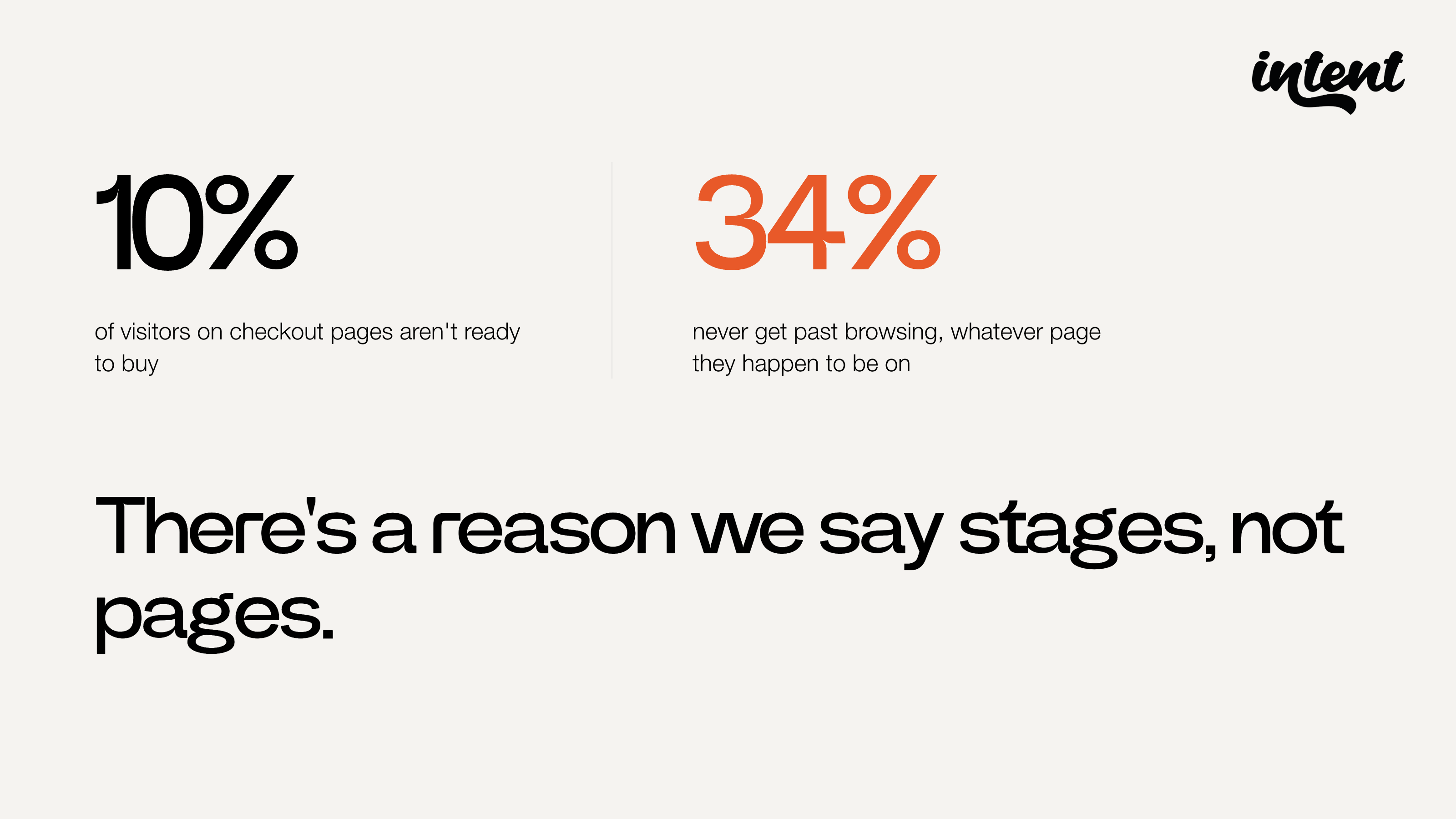
Most ecommerce teams work with two types of visitor data. Historical data tells you what someone did last time, with things like their purchase history, their email engagement, their lifetime value segment. Page-level data tells you what page they're on right now. Neither tells you where they are in their buying journey in this session.
Are they browsing or buying? Are they comparing options or ready to commit? How likely are they to buy or abandon their purchase ?
Without answers to these questions, every visitor with items in their basket looks the same. You can't intervene differently because you can't see differently. So you wait until they leave, and you send the email.
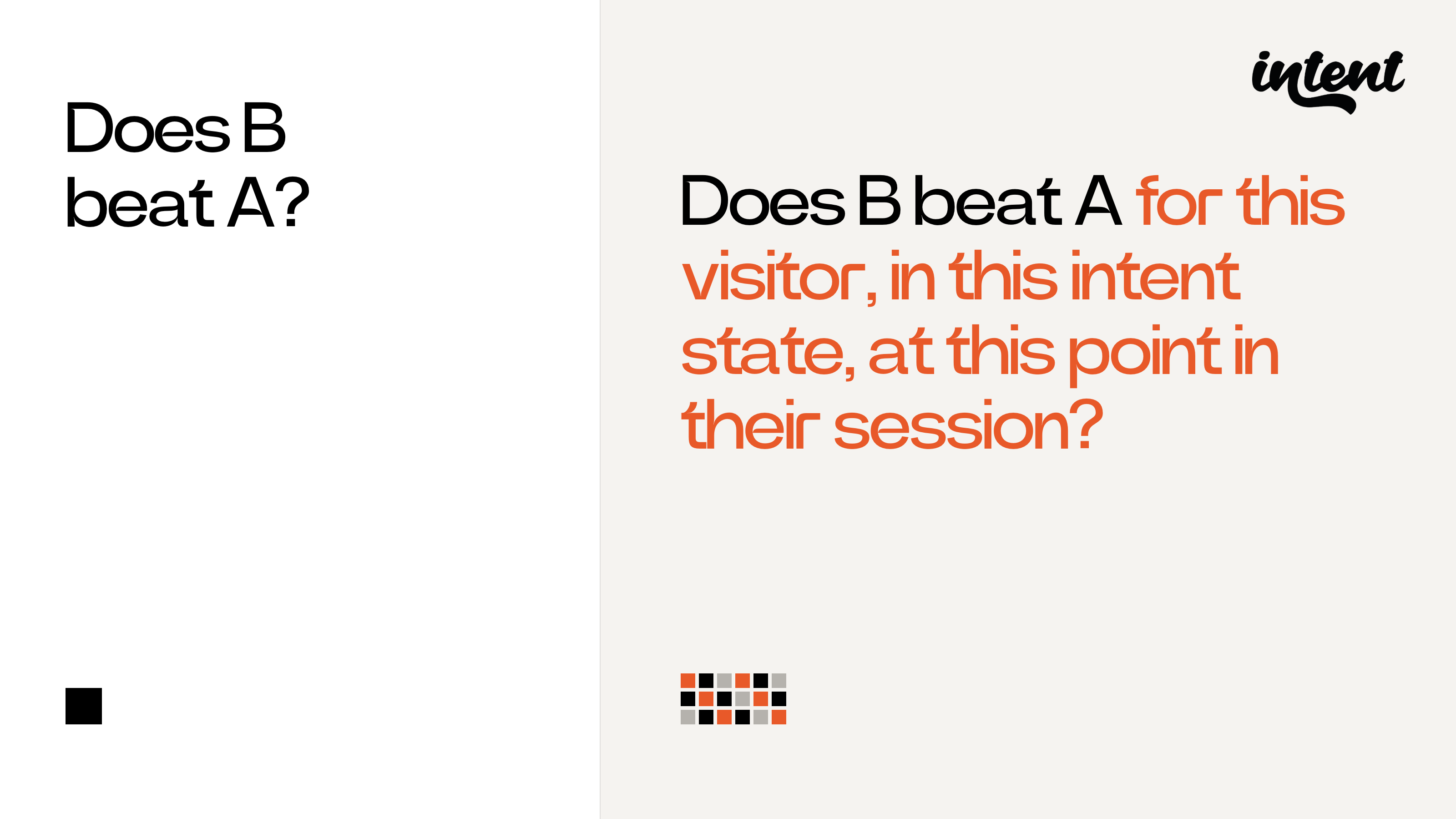
Intent data changes this equation. By modelling hundreds of behavioural signals within a session — scroll depth, navigation patterns, time on page, return visit frequency, basket interaction, comparison behaviour — it becomes possible to predict where a shopper is in their buying journey before they abandon. Not after.
What this means for your abandonment strategy
If your entire cart abandonment strategy is a post-session email flow, you've built one layer of a two-layer system. The email works. The question is what sits alongside it.
Here's what an intent-based abandonment strategy looks like:
During the session: Use intent signals to identify visitors who are showing signs of hesitation. Respond with the right experience, reassurance for the nearly-convinced, content for the still-exploring, and targeted incentives only where they're genuinely needed.
At the point of exit: If a visitor does move to leave, your exit-intent experience should be informed by their session behaviour, not a one-size-fits-all overlay. A returning high-intent visitor doesn't need 10% off. They need a reason to buy now.
After the session: Continue running your abandoned cart email programme. But let it be the safety net beneath a more complete strategy, not the whole strategy. And personalise those emails with intent data from the session — a shopper who was comparing options needs different messaging than one who got to the payment page and stopped. For instance, if someone has multiple items in their basket, which item did they have a real preference for if any?
In addition, because you’ll be sending fewer cart abandonment emails, and only sending them to the visitors with appropriate intent, your number of sends and unsubscribes will naturally go down.
Across sessions: Recognise returning visitors who previously abandoned baskets. Their second visit is the highest-value moment in the entire journey — they came back because they're still interested. Don't waste it by showing them the same generic experience they saw last time.
The 70% isn't going away. Your response to it should evolve.
Cart abandonment isn't a problem to solve. A 70% abandonment rate reflects the reality of how people shop online — browsing, comparing, considering, returning, and eventually buying. Fighting that reality is a losing game.
What you can change is how completely you respond to it. Most brands have built strong recovery programmes. That's the foundation. The next step is building the capability that sits before recovery — the in-session layer that catches hesitation while it's still happening, responds to what each visitor actually needs, and prevents a portion of those abandonments from ever reaching the email queue.
The brands that build both layers don't just reduce their abandonment rate. They reduce their dependency on discounts to recover lost revenue. They protect their margins. And they build a better experience for their shoppers — one that responds to what visitors need in the moment, rather than chasing them after the moment has passed.
Your abandoned cart email is the safety net. It should stay. But the real opportunity sits earlier — in the session, in the signals, in the moments where the right experience could have kept that shopper moving forward.
Made With Intent helps ecommerce brands see where every visitor is in their buying journey and respond in the moments that matter, reducing cart abandonment. If you want to add the in-session layer to your abandonment strategy, book a demo.

Become an Intent Insider
Get subscriber-only insights we don't publish anywhere else and event invites before anyone else.
By submitting this form you agree to our (more than fair) terms.